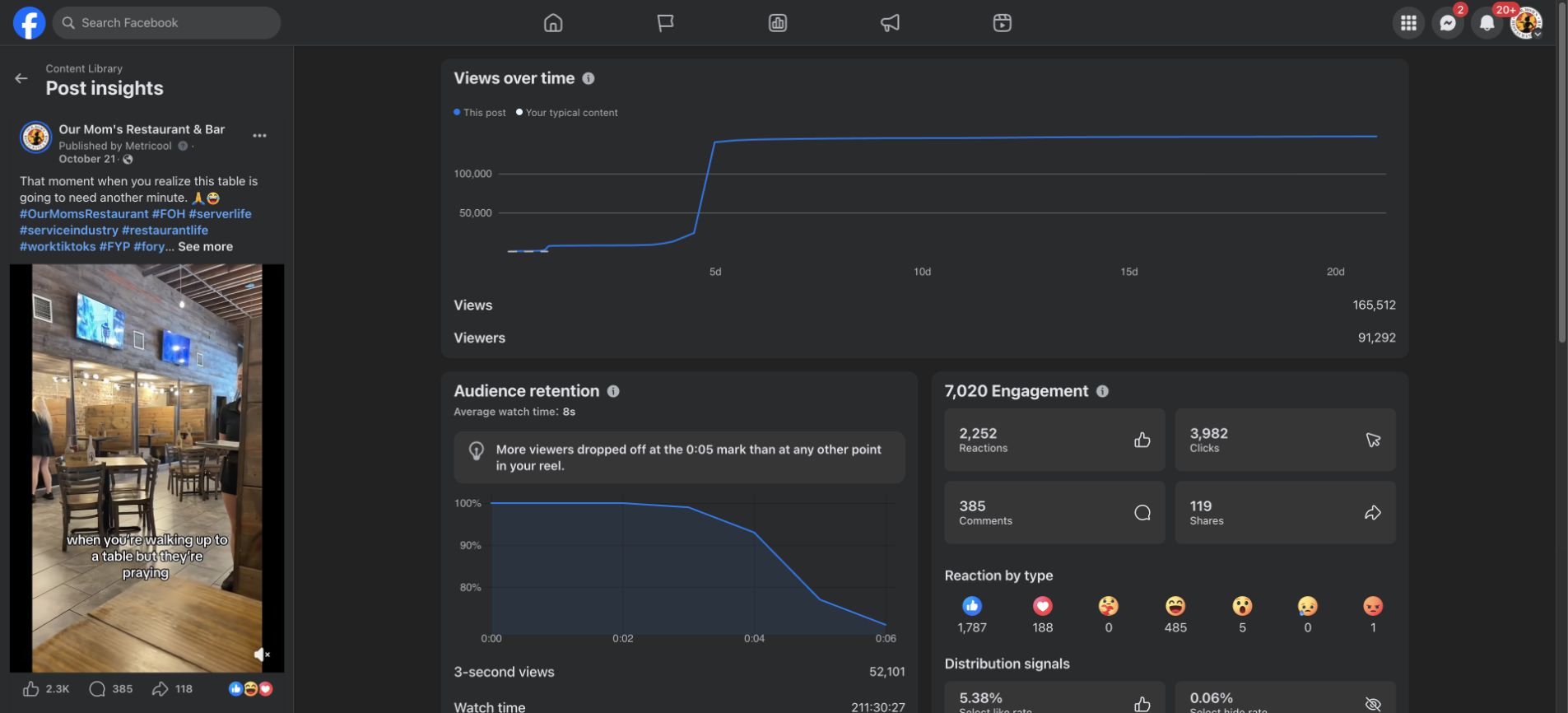
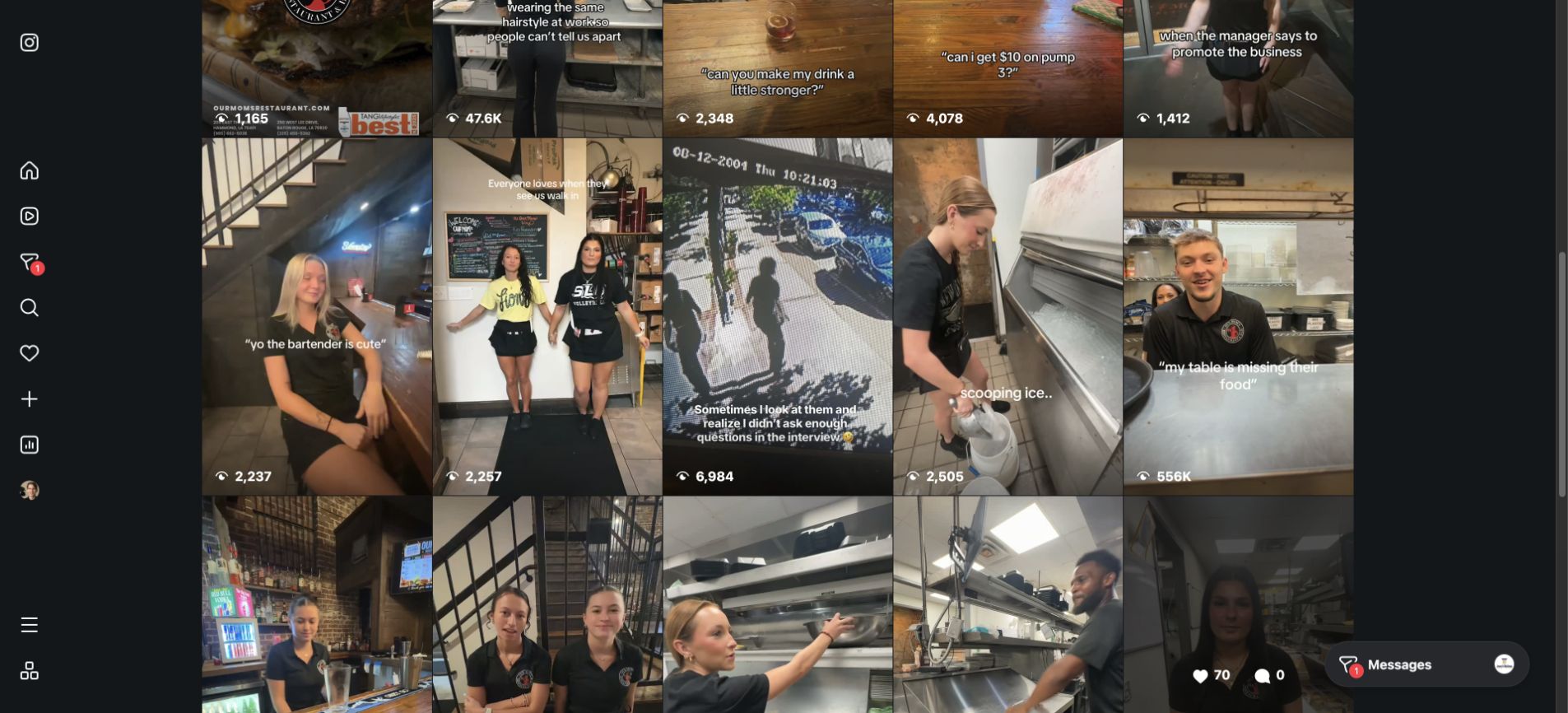
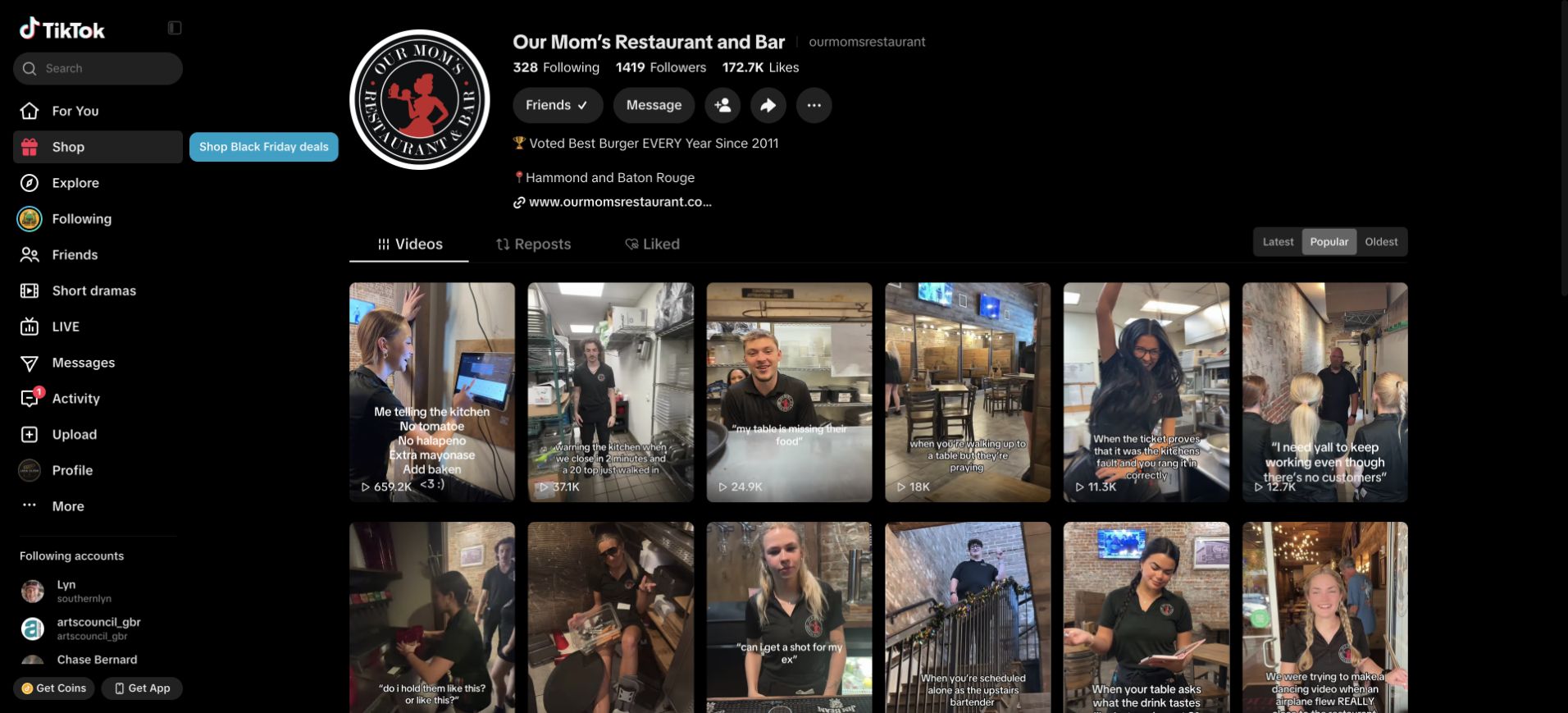
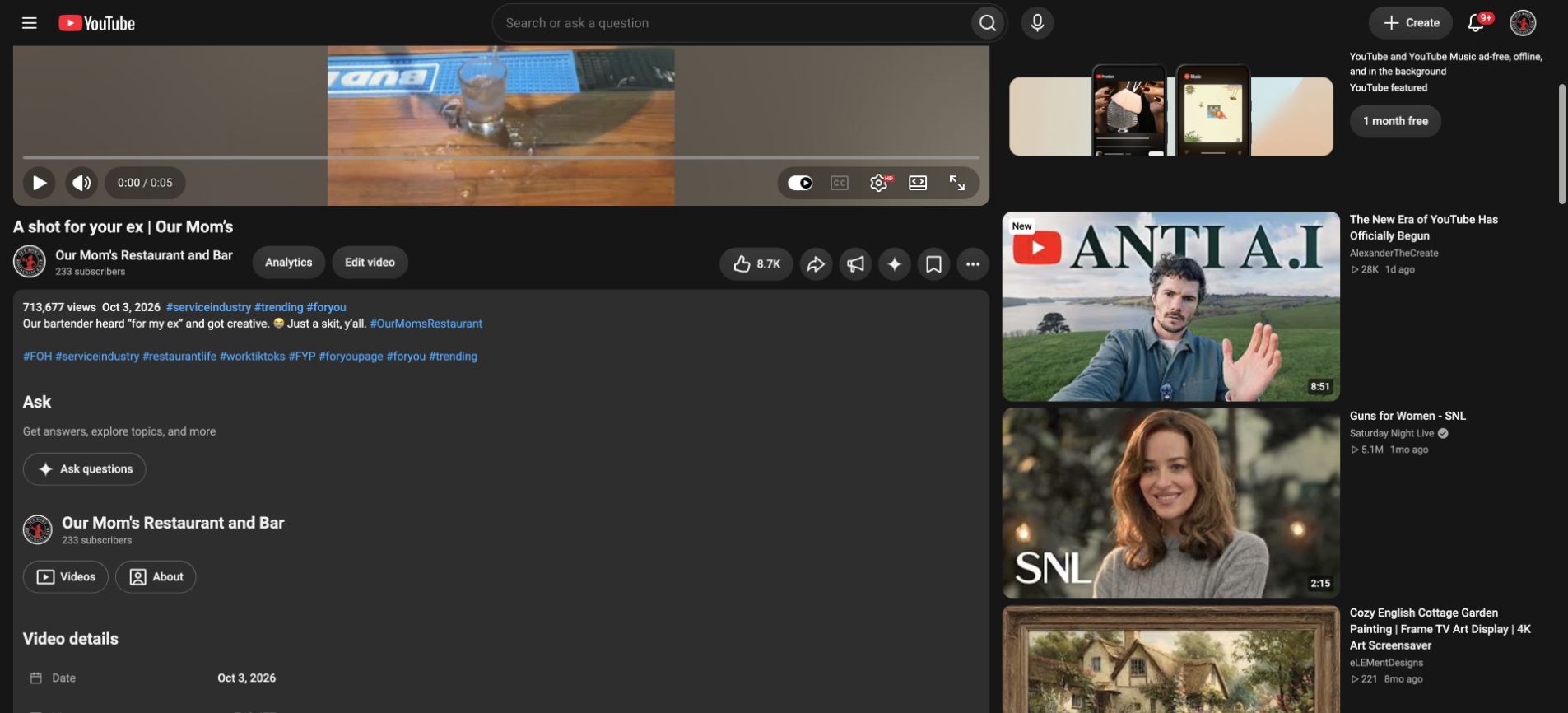
Learn what to budget, what your site needs, and how photos and video can help show the value of your business.
A small business website in Baton Rouge can fit into three broad budget ranges. A basic site may cost about $500–$1,500. A custom site with several pages may cost about $3,500–$10,000. A full launch with new writing, photos, and video may cost $15,000–$30,000.
These ranges are a starting point for planning, and the final price depends on the work your site needs.
Start by asking what customers need to know, what content you already have, and what you need someone to create.
If you have finished writing and strong photos, you may need less new content. If you need help with the message, photos, video, and site, include all of that in your budget.
Match your budget to the website you need
| Type of project | Budget to plan for | When it may fit |
|---|---|---|
| Basic website | About $500–$1,500 | You need a small site with service details and a way to reach you, and you can supply most of the words and images. The features should be simple. |
| Custom site with several pages | About $3,500–$10,000 | You need pages for different services and more work on the design and layout, with a clear plan for how much writing and new content the price covers. |
| Full website and content launch | About $15,000–$30,000 | You need a plan, writing, custom web design, professional photos, and video created together. This is the usual range for LOP’s Complete Website Launch. |
The first two rows are general budget ranges, not LOP package prices. An online store, a client login area, or a complex booking tool needs its own plan, and moving a large amount of old content can also add work.
Page count is only part of the cost because five pages built with finished words and images can take less work than five pages that need interviews, writing, photography, and video.
Choose the main job of your website
What should people do when they visit your site?
A contractor may want visitors to ask for an estimate, while a law firm may want them to book a meeting. A restaurant may want them to find the menu, get directions, or place an order.
Think about what people need before they take that step:
- A clear answer about what you do and where you work.
- Reasons your business may be a good fit.
- Real examples of your work and team.
- An explanation of how the process works.
- An easy way to call, ask a question, book, or order.
Use those needs to plan the pages, whether that means a page for each service or a smaller site with fewer sections. Each page should help someone understand the offer or take the next step.
Should you update your site or rebuild it
An update may be enough if the site works well and the content needs help. Check whether people can use it on a phone, whether the forms work, and whether you can make changes without trouble. If so, clearer writing, better photos, and a stronger contact page may solve the main problems.
A rebuild may make sense if the site itself holds you back. The site may be hard to use on a phone, lack tools you need, or have pages that no longer match what your business does.
Check the cause before you decide, since a slow page or broken form may need a repair rather than a full rebuild.
Check which pages bring in visitors or leads, and keep useful content and web addresses when you can. If an address changes, send visitors from the old page to the right new page with a redirect.
Not sure where to start? Bring your current web address and a short list of what is not working.
An example plan for a Baton Rouge contractor
Imagine a contractor with three main services who wants more requests for estimates. This is a sample plan, not a past client project or a fixed-price offer.
The site could start with eight pages:
- Home.
- One page for each of the three services.
- Projects.
- About.
- Process and Questions.
- Contact.
The service pages explain the work, the project page shows finished jobs, and the contact page gathers the details needed to follow up.
The content plan could include photos of finished jobs, team portraits, and a short video about the process. The form could ask where the job is, what work is needed, and how to reach the person. The site could track completed forms and clicks on contact links.
Good photography and usable writing can reduce the need for new content, which affects the amount of production work in the budget. More shoot locations, interviews, or service pages add work, as does connecting the contact form to a sales system.
For a first phase, focus on clear service details, strong project examples, a site that works on phones, and a form that works. You can add more videos, stories, and tools later.
Plan for costs after the website goes live
The launch price covers creating and releasing the site, while your ongoing budget covers keeping it running and up to date.
| Cost | What to ask |
|---|---|
| Web address and hosting | Ask about renewal fees and who controls the accounts, including the hosting service that keeps your website online. |
| Software and tools | Do forms, booking, email, or other tools have monthly or yearly fees? |
| Site care and backups | Ask who updates the software, how often the site is backed up, and who restores it if something goes wrong. |
| Content changes | Ask whether edits are included, how much time is covered, and which changes cost extra. |
| Future marketing | What will you set aside for new articles, photos, video, search work, or ads? |
Get the fees and responsibilities in writing so you know whether the service includes software updates and changes to your content.
Use this formula to plan your first year:
First-year budget = launch price + 12 months of running costs + yearly fees + planned new work.
For example, an $18,000 launch plus $150 a month in running costs totals $19,800 for the first year. You would then add any yearly fees or new work. This is a sample calculation, not a LOP quote or monthly care rate. Use the numbers from your own proposal.
How original photos and video help your website
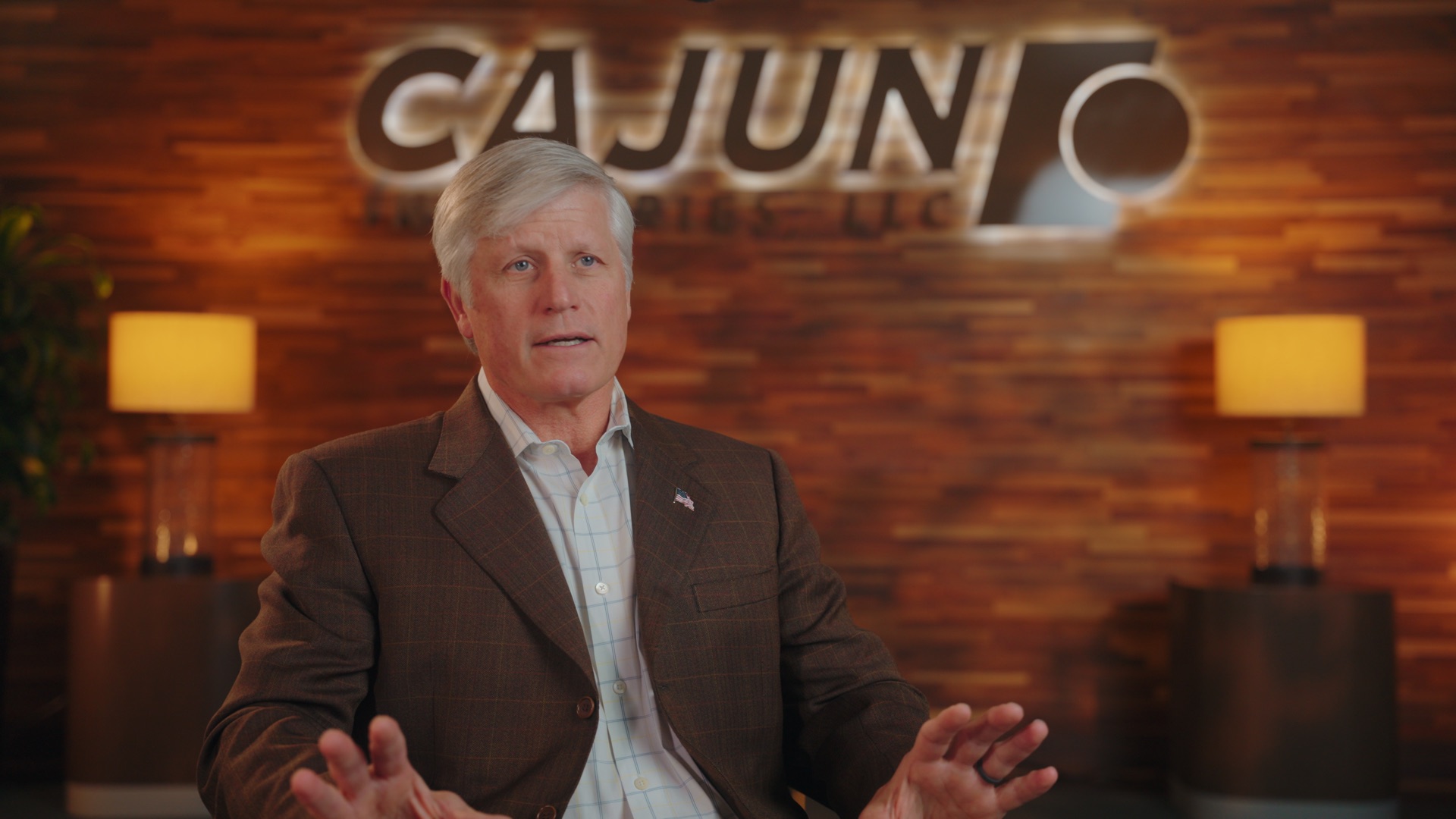
Your website may be the first place someone sees your team and work, and original photography and video show the real business they may hire.
A contractor can show finished jobs and explain the next steps, while a law firm can introduce its team. A restaurant can show the food, dining room, and atmosphere. Choose content that answers a question or shows something useful.
At Lana Oliver Productions, we plan the content and website together so the photography fits the page design, the videos explain your services, and the writing connects each piece.
Our studio-quality assets use careful lighting, clear sound, thoughtful framing, and polished editing. We can create them in a studio or at your business. We also prepare the files for the site so they display well on phones and do not add needless weight to a page.
If you need versions for social media or a sales presentation, include those uses in the production plan. Agree on the file types and where you can use them before the shoot.
What you get with a complete website launch from LOP
With LOP, one team can plan the message, write the pages, create the photos and videos, and build the website. You can review the content and design as parts of the same project.
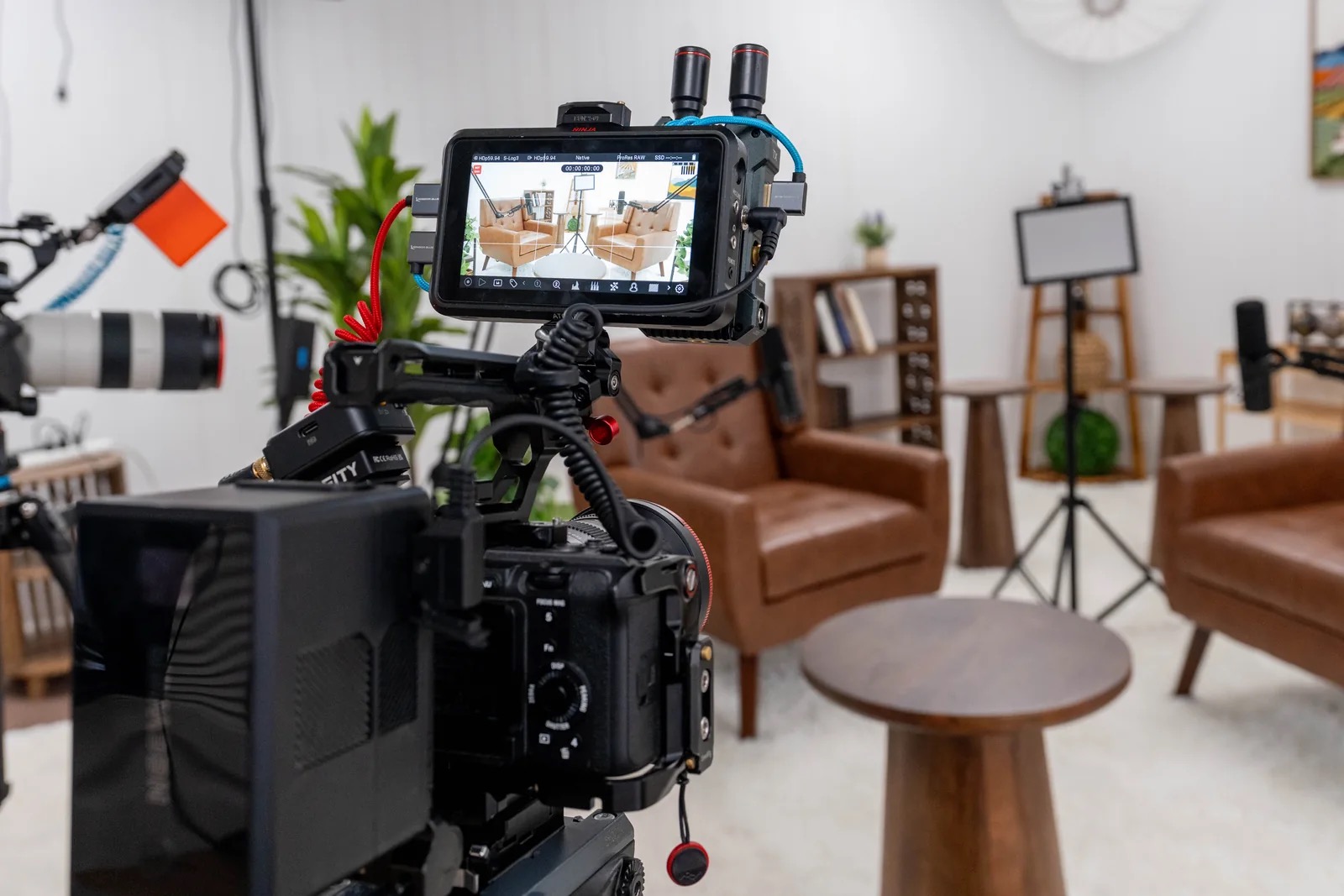
Our Complete Website Launch usually includes:
- A clear plan for your business, audience, and message.
- Page planning and writing focused on customer questions.
- Professional photos and video for the agreed project.
- Usually 8–12 custom WordPress pages that work on phones and include contact forms.
- Search research, page titles, and details that help search engines understand the site.
- Tools to measure agreed actions, such as form submissions and contact clicks.
- A basic launch campaign and 30 days of support after launch.
The usual cost is $15,000–$30,000. Most projects take 10–14 weeks. Your proposal lists the pages, content, tools, rounds of changes, and duties. Ongoing site care and marketing are separate. We can also discuss a site that uses content you already have.
This approach fits a business that needs both a website and the content to fill it. You can see our web work and production work before you choose us.
See how the pieces work together
Dear Louisiana brings Louisiana stories, original photos, and video into one website. LOP designed and built the WordPress site, with layouts the team can reuse for new stories. Dear Louisiana and LOP share an owner. Read the Dear Louisiana website case study.
We also built the Lana Oliver Productions website in-house. Visitors can read about a service, see our work, explore a case study, and contact us. Read the LOP website case study.
As you explore, look at how the words, photos, video, and pages explain the business. These are the pieces we can plan together for your site.
What to bring when you ask for a quote
You do not need all the answers before you reach out, but these six things help us start:
- Your current web address, if you have one, and what you want to fix.
- Your main services and service area, including any locations the site needs to cover.
- What you want visitors to do, such as ask for an estimate or book a meeting.
- The content you already have, such as photos, videos, writing, and project examples.
- Tools you need, such as booking, payments, or a link to your sales system.
- Your budget and target date, including whether you can launch in phases.
Your proposal should explain what you receive, what you own, which accounts you can access, and what happens after launch. It should also list ongoing costs so you can decide what to build now and what can wait.
Talk with LOP about your website
You know your business. We can help you show it through clear writing, professional photos and video, and a website that brings the pieces together.
Bring us your current site, your goals, and your questions. We can help plan the pages, content, production, and budget for your project.